Original: $1.50
-65%$1.50
$0.52The Story
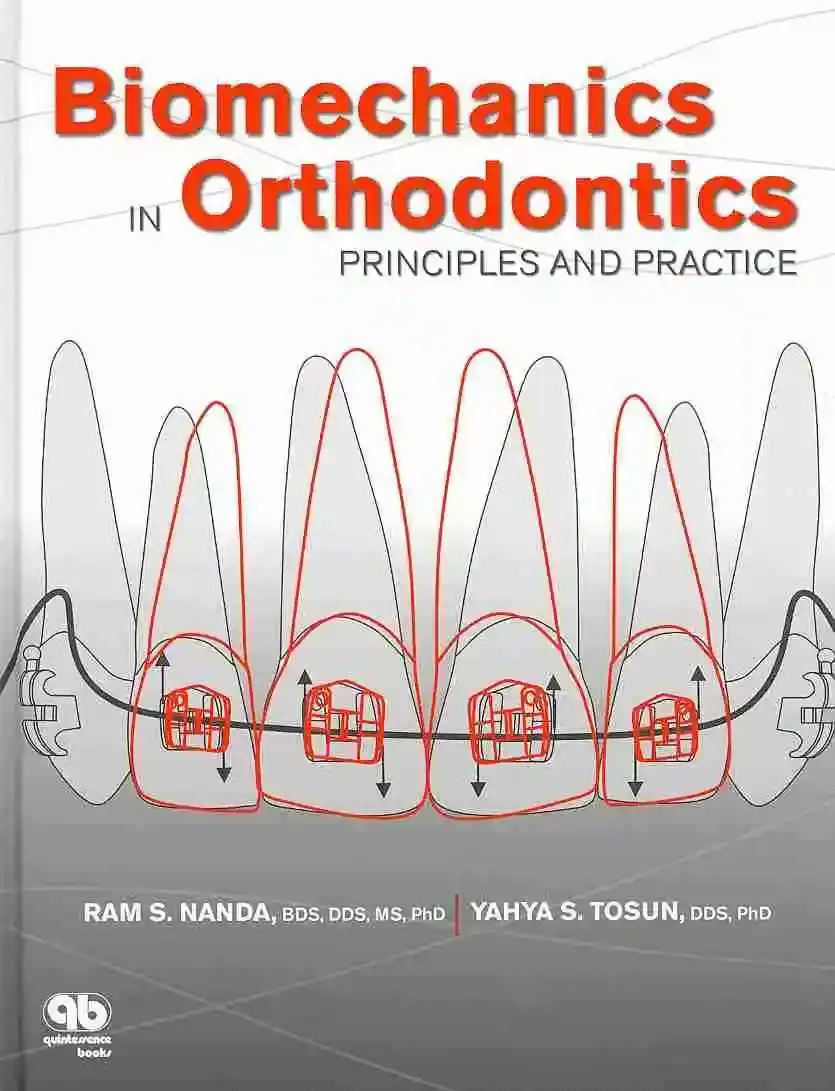
This is a well-written and presented book, dealing with the concepts of biomechanics in clinical orthodontics. This first edition consists of nine chapters over 168 pages and many helpful coloured illustrations. The glossary of terms is a helpful addition especially for the postgraduate student in need of clear definitions. Within the Preface, the authors state their intention for the book which is directed towards the student in orthodontics. Their aim is to explain biomechanical principles in relation to current material properties and contemporary techniques, in which they are successful.
The first chapter covers general physical principles that form the basis for the descriptions relating to tooth movement throughout the rest of the book. The second chapter applies these theories to orthodontics and is supplemented by evidence-based references including helpful tables to summarize material properties.
The remaining chapters deal with clinical orthodontic scenarios such as anchorage, friction, vertical and transverse problems, and space closure. There is a bias in these chapters towards the segmental approach, which is clearly favoured by the authors.
Straightwire mechanics, probably a more widely used technique among current postgraduate students in orthodontics, are included as an alternative. In this sense, the text provides an interesting approach to familiar orthodontic clinical scenarios.
In summary, this book, which is aimed at the orthodontic postgraduate student, provides a useful reference for general physical principles as well as mechanical techniques for pre-adjusted edgewise systems.
Description
This is a well-written and presented book, dealing with the concepts of biomechanics in clinical orthodontics. This first edition consists of nine chapters over 168 pages and many helpful coloured illustrations. The glossary of terms is a helpful addition especially for the postgraduate student in need of clear definitions. Within the Preface, the authors state their intention for the book which is directed towards the student in orthodontics. Their aim is to explain biomechanical principles in relation to current material properties and contemporary techniques, in which they are successful.
The first chapter covers general physical principles that form the basis for the descriptions relating to tooth movement throughout the rest of the book. The second chapter applies these theories to orthodontics and is supplemented by evidence-based references including helpful tables to summarize material properties.
The remaining chapters deal with clinical orthodontic scenarios such as anchorage, friction, vertical and transverse problems, and space closure. There is a bias in these chapters towards the segmental approach, which is clearly favoured by the authors.
Straightwire mechanics, probably a more widely used technique among current postgraduate students in orthodontics, are included as an alternative. In this sense, the text provides an interesting approach to familiar orthodontic clinical scenarios.
In summary, this book, which is aimed at the orthodontic postgraduate student, provides a useful reference for general physical principles as well as mechanical techniques for pre-adjusted edgewise systems.