
Original: $5.62
-65%$5.62
$1.97The Story
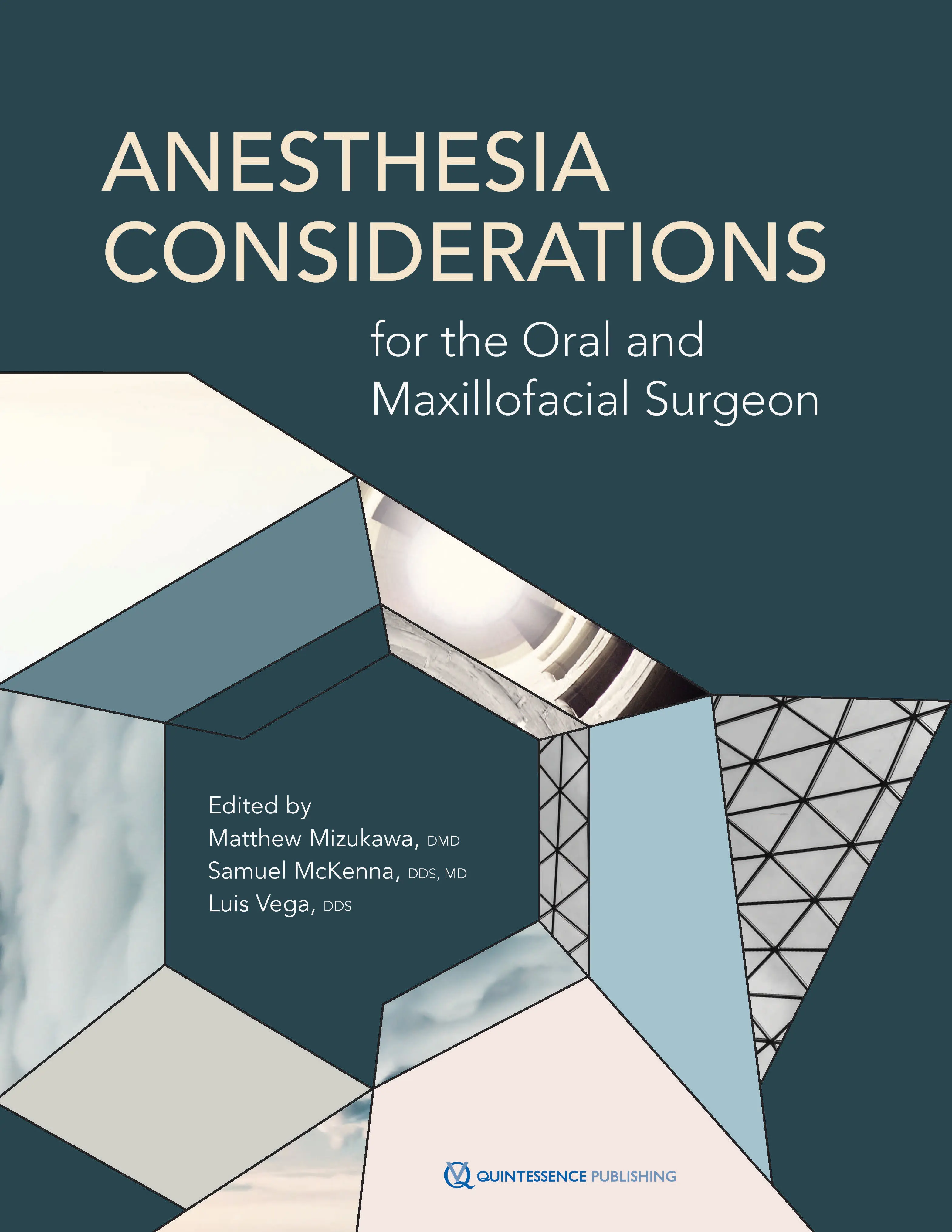
Although office-based anesthesia administration has been essential in the evolution of outpatient surgery, it is becoming more complex as people live longer and with more comorbid diseases. The purpose of this book is to strengthen the margin of safety of office-based anesthesia administration by helping practitioners determine whether the patients they treat are good candidates for office-based anesthesia. This book is organized into three sections. The first section provides a review of the principles of anesthesia, including the pharmacology of anesthetic agents, local anesthesia, patient monitoring, preoperative evaluation, the airway, and management of emergencies and complications. The major organ systems of the body are reviewed in section two, and the most common comorbid conditions that affect these systems are described in terms of their pathophysiology, diagnosis, management, and anesthesia-related considerations. Section three reviews patient groups that warrant special consideration in the administration of office-based anesthesia, such as geriatric, pediatric, pregnant, and obese patients. Spiral-bound and featuring tabs for quick and easy reference, this important book belongs on the shelf of every clinician who provides anesthesia in the office setting.
Contents
Section I. Principles of Anesthesia Administration
Chapter 01. Basic Principles of Anesthesia
Chapter 02. Pharmacology and Utility of Intravenous Anesthesia
Chapter 03. Pharmacology and Utility of Inhalation Anesthesia
Chapter 04. Local Anesthesia Basics
Chapter 05. Prophylactic and Perioperative Antibiotics
Chapter 06. Analgesia Considerations in Anesthesia
Chapter 07. Postoperative Nausea and Vomiting
Chapter 08. Monitoring the Patient
Chapter 09. Electrocardiography
Chapter 10. Pre-anesthetic Patient Evaluation
Chapter 11. Management of Airway Urgencies and Emergencies
Chapter 12. Medical Emergencies
Chapter 13. Aftermath of an Adverse Outcome or Complication
Section II. Anesthesia and Comorbid Disease
Chapter 14. The Central Nervous System
Chapter 15. The Cardiovascular System
Chapter 16. The Pulmonary System
Chapter 17. The Digestive System
Chapter 18. The Renal System
Chapter 19. The Hepatic System
Chapter 20. The Endocrine System
Chapter 21. The Musculoskeletal System
Chapter 22. The Immune System
Section III. Anesthesia in Special Patient Groups
Chapter 23. Hematopathology and Coagulopathy
Chapter 24. Malignancy
Chapter 25. Geriatrics
Chapter 26. Special Needs Populations
Chapter 27. Pediatric Considerations
Chapter 28. Pregnancy
Chapter 29. Obesity and Obstructive Sleep Apnea
Chapter 30. Considerations for the Substance Abuse Patient Appendices
A. Comprehensive Drug Index
B. Commonly Used Drugs and Doses
C. Algorithms
Description
Although office-based anesthesia administration has been essential in the evolution of outpatient surgery, it is becoming more complex as people live longer and with more comorbid diseases. The purpose of this book is to strengthen the margin of safety of office-based anesthesia administration by helping practitioners determine whether the patients they treat are good candidates for office-based anesthesia. This book is organized into three sections. The first section provides a review of the principles of anesthesia, including the pharmacology of anesthetic agents, local anesthesia, patient monitoring, preoperative evaluation, the airway, and management of emergencies and complications. The major organ systems of the body are reviewed in section two, and the most common comorbid conditions that affect these systems are described in terms of their pathophysiology, diagnosis, management, and anesthesia-related considerations. Section three reviews patient groups that warrant special consideration in the administration of office-based anesthesia, such as geriatric, pediatric, pregnant, and obese patients. Spiral-bound and featuring tabs for quick and easy reference, this important book belongs on the shelf of every clinician who provides anesthesia in the office setting.
Contents
Section I. Principles of Anesthesia Administration
Chapter 01. Basic Principles of Anesthesia
Chapter 02. Pharmacology and Utility of Intravenous Anesthesia
Chapter 03. Pharmacology and Utility of Inhalation Anesthesia
Chapter 04. Local Anesthesia Basics
Chapter 05. Prophylactic and Perioperative Antibiotics
Chapter 06. Analgesia Considerations in Anesthesia
Chapter 07. Postoperative Nausea and Vomiting
Chapter 08. Monitoring the Patient
Chapter 09. Electrocardiography
Chapter 10. Pre-anesthetic Patient Evaluation
Chapter 11. Management of Airway Urgencies and Emergencies
Chapter 12. Medical Emergencies
Chapter 13. Aftermath of an Adverse Outcome or Complication
Section II. Anesthesia and Comorbid Disease
Chapter 14. The Central Nervous System
Chapter 15. The Cardiovascular System
Chapter 16. The Pulmonary System
Chapter 17. The Digestive System
Chapter 18. The Renal System
Chapter 19. The Hepatic System
Chapter 20. The Endocrine System
Chapter 21. The Musculoskeletal System
Chapter 22. The Immune System
Section III. Anesthesia in Special Patient Groups
Chapter 23. Hematopathology and Coagulopathy
Chapter 24. Malignancy
Chapter 25. Geriatrics
Chapter 26. Special Needs Populations
Chapter 27. Pediatric Considerations
Chapter 28. Pregnancy
Chapter 29. Obesity and Obstructive Sleep Apnea
Chapter 30. Considerations for the Substance Abuse Patient Appendices
A. Comprehensive Drug Index
B. Commonly Used Drugs and Doses
C. Algorithms